

en

Flavourings with alcohol. CJEU: it is the intended purpose that counts, not the actual use

Excise Duty Wednesdays

The Court of Justice of the European Union (Case T-614/24, AROCO, 22 October 2025) clarified the application of Article 27(1)(e) of Directive 92/83/EEC.

The Court ruled that the exemption from excise duty for flavouring substances containing alcohol cannot be made conditional on proof of their actual use in beverages with an alcohol content of ≤1.2%.

It is sufficient that the products are intended for the production of food or non-alcoholic beverages – the mere intention to use them for this purpose is sufficient.

This ruling reduces the burden of proof for manufacturers and distributors of flavourings and limits the risk of disputes with customs authorities.
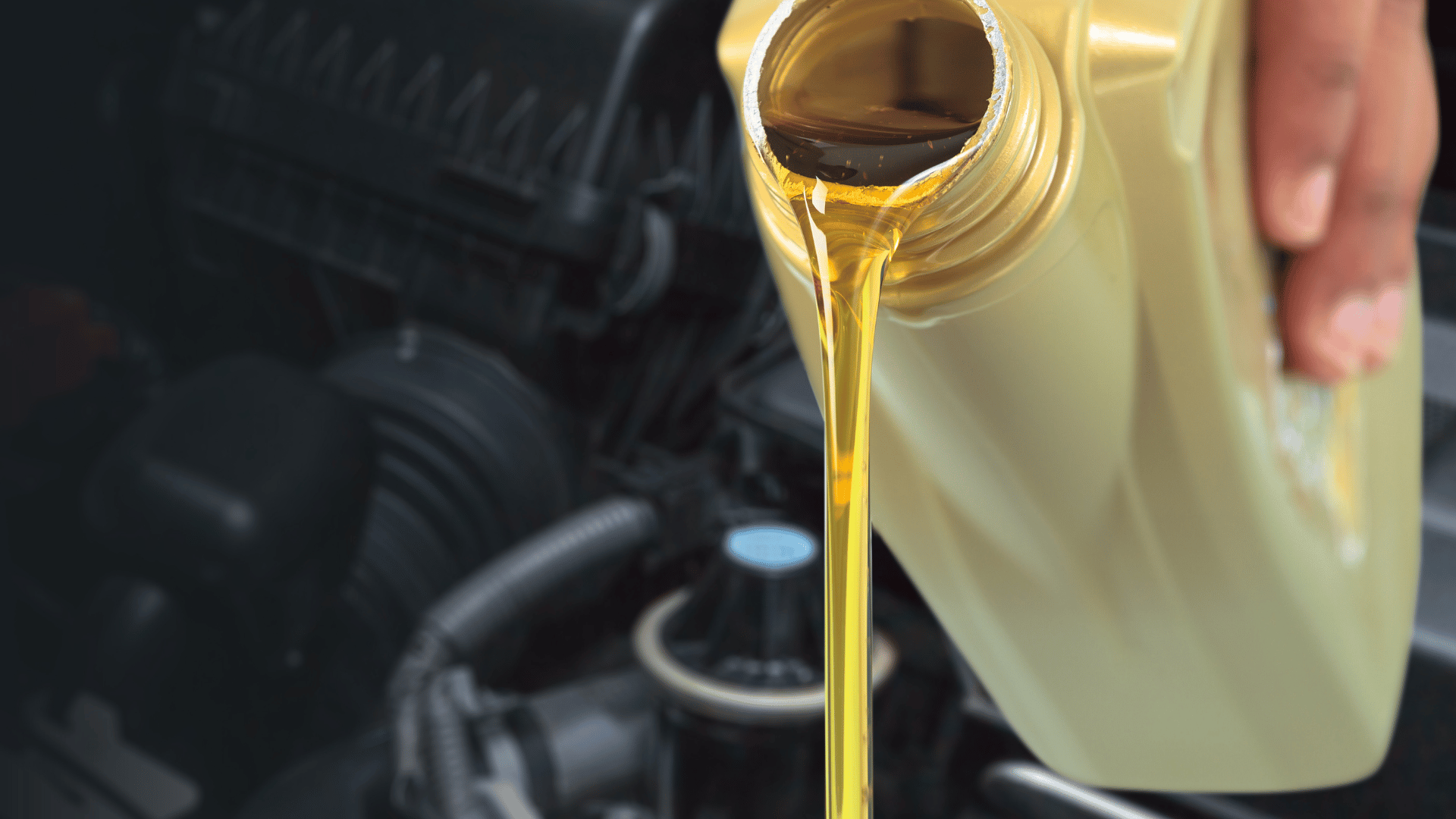

Lubricating oil ‘returns’ to another warehouse? – without excise duty suspension

#excise

The Director of the National Revenue Information Service (18 September 2025, 0111-KDIB3-3.4013.184.2025.2.MAZ) explained that excise goods can only be returned to the same tax warehouse from which they were originally released.

The transfer of lubricating oils from the user to another warehouse is not a ‘return’ within the meaning of the Act and cannot be covered by the excise duty suspension procedure, even if the oils are expired or unused.

Businesses should verify their warehouse network and logistics routes to avoid violations of e-DD documentation requirements.

NSA RULING: Aircraft engine servicing – fuel exempt for MRO services

The Supreme Administrative Court (20 March 2025, I FSK 1742/21) confirmed that fuel consumed during testing, maintenance and repair of aircraft engines is exempt under Article 32(1)(1) in conjunction with Article 32(2) of the Excise Duty Act, provided that the activity is commercial in nature and is performed for a third party.

This is good news for the MRO (Maintenance, Repair & Overhaul) sector – fuel used during tests commissioned by the customer and invoiced falls within the scope of the exemption. It is worth analysing service contracts and the method of documenting fuel consumption in terms of meeting the conditions of commerciality.

This can be done with an excise duty expert, tax advisor Dominika Kamińska.

Energy recovery without new excise duty obligations

According to current case law and the interpretation of Article 11(2) of the Excise Duty Act, electricity recovered through recuperation does not constitute a new volume of energy subject to taxation.

Excise duty arises only when the electricity is released by the distribution system operator, i.e. when its quantity and value are actually settled. The energy fed into the grid (recovered) is in fact the same energy that was previously consumed, so there is no new generation within the meaning of the Act.
This approach confirms the favourable position for railway companies and traction system operators who recover energy from vehicle braking.
If your company settles electricity based on the recuperation process, it is worth verifying the method of calculating excise duty and the documentation from the DSO.

Need advice? Contact our experts Sebastian Gumiela and Dominika Kamińska.

Translated with DeepL.com (free version)